


Buy a new home, contents or landlord insurance policy online today and you’ll save 10%!

Received a communication about a remediation payment?
Understand why

Compare home insurance cover
What’s covered depends on the type of home insurance you have and your specific policy. Most standard home insurance policies can cover your property and belongings in case of fire, storm damage, theft and more. Find out more about our home insurance policy options below.
The information below is a summary of some of the features and benefits included for home insurance policies purchased on or after 1 December 2020 or renewed on or after 1 September 2022. Read the relevant Product Disclosure Statement (PDS) and Target Market Determination (TMD) for full details, including limits, exclusions and conditions that apply.

Home Insurance
Buildings and contents cover for homeowners
Need home insurance for a property you own and live in? Select cover for your home, its contents, or both. It includes things like:
- Cover for damage or loss caused by storm, fire, theft, flood and more
- Up to $30 million legal liability cover
- Temporary accommodation costs for up to two years if your home isn’t liveable due to damage by an insured event
- Electrical motor burnout cover
- Emergency temporary repairs
- Up to 30% Buildings Sum Insured Safeguard benefit, if eligible
- A lifetime guarantee on home repairs made by our repairer
- Contents cover while moving to your new residence
- Contents cover for up to 60 days at your old and new home
- Up to $500 for improved security upgrades after a burglary
- Environmental upgrades.
Upgrade to include
- Accidental damage cover
- Portable contents cover.

Landlord Insurance
Buildings and contents cover for residential landlords
Landlord insurance can cover your rental property and contents if selected. It includes things like:
- Cover for damage or loss caused by storm, fire, theft, flood and more
- Up to $30 million legal liability cover
- Cover for accidental damage caused by you, your tenant or a paying guest
- Cover for damage caused by a tenant’s pet
- Electrical motor burnout cover
- Cover for malicious damage caused by your tenants or a paying guest
- Up to 30% Buildings Sum Insured Safeguard benefit, if eligible
- Loss of rent if your rental property isn't liveable due to damage by an insured event
- Cover for theft by tenants or a paying guest
- Environmental upgrades.
Upgrade to include
- Rent Default by Tenant option.

Contents Insurance
Contents cover for renters and strata owner-occupiers
Renting a property or living in a strata unit? Get cover for your belongings with contents insurance. It includes things like:
- Cover for damage or loss caused by storm, fire, theft, flood and more
- Up to $30 million legal liability cover
- Contents cover while moving to your new residence
- Electrical motor burnout cover
- Contents cover for up to 60 days at your old and new home
- Temporary accommodation if your home isn’t liveable due to damage by an insured event
- Environmental upgrades.
Upgrade to include
- Accidental damage cover
- Portable contents cover.
Why choose QBE home insurance?
We’ve been insuring Australians for over 130 years.
We provide 24/7 friendly claims service.
We offer up to $30 million legal liability cover.
Award-winning insurance

Mozo awarded us its 2023 Mozo Experts Choice Award for Exceptional Quality Home & Contents Insurance.

For the fourth year running, we’ve been named Finder’s Green Insurer of the Year in 2023. We’re honoured to receive this recognition. A big thank you to our customers, people and partners for helping us enable a more resilient planet.

We’ve been awarded the 2022 Personal Lines Mansfield Award recognising claims excellence in the Australian insurance industry. The Awards highlight the vital role that claims professionals play in the insurance industry and recognises those achieving excellence in this field.
Save 10% on home insurance!
Home insurance knowledge space
Answers to your questions for insuring your home all in the one place.

Am I covered for that? 10 questions about home insurance answered
Knowing exactly what’s covered and what’s not in a home insurance policy is crucial before making the purchase.

Do I need to update my home insurance when I buy something new?
Valuable items may need to be insured for a higher specific value by listing them separately under your policy.

Good neighbours can help make your home safer
How good neighbours can help make your home safer.
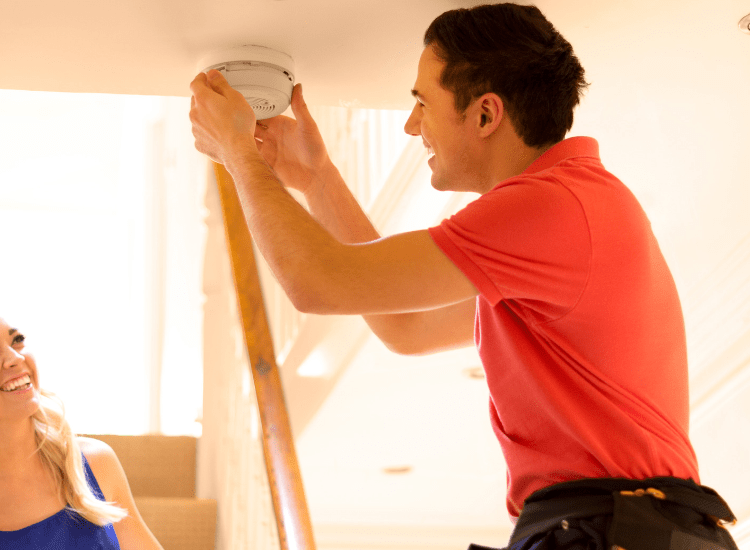
The importance of changing your smoke alarm battery
Your smoke alarm is a vital early warning sign of fire and helps protect the lives of your family and the community by providing an early warning of danger.
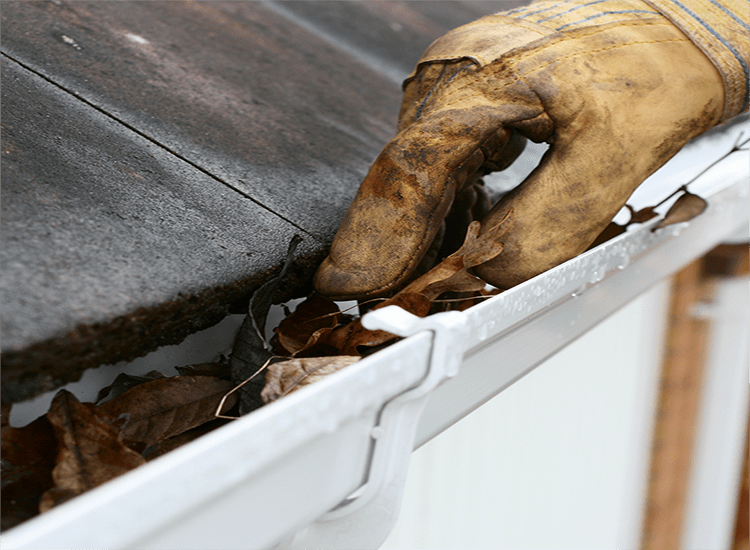
Why cleaning your gutters should be on the top of your to-do list
Leaf-blocked gutters may not seem like a big deal but ensuring this part of your home is in good working order has far reaching benefits.
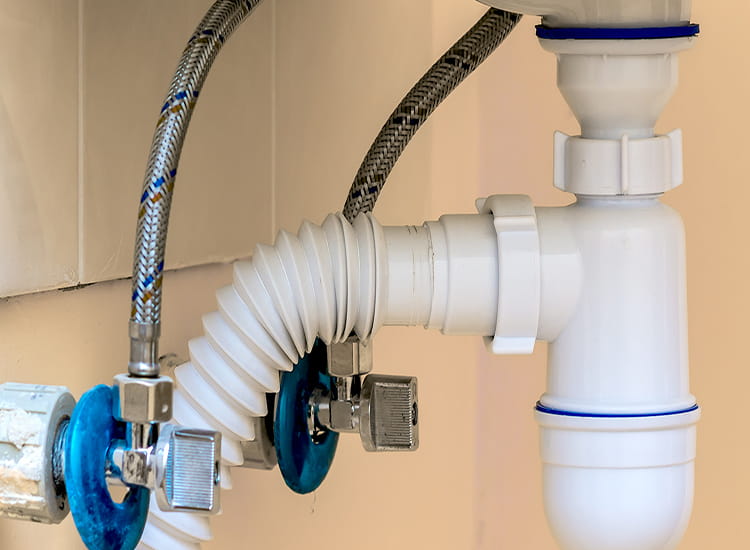
This one simple tip could save your home from water damage
Every year insurers receive tens of thousands of claims for water damage caused by the failure of braided flexible hoses.
Owner Builder home insurance
If you’re selling a home you recently built or renovated, you may need Owner Builder Warranty cover. If you live in Western Australia, we can help.

Home insurance FAQs
Home insurance can cover your building, contents or both. Coverage depends on your specific home insurance policy. Most standard home insurance policies with building cover can cover the cost of replacing or repairing your house if a fire, flood or storm damages your home or if you experience things like theft, vandalism or water damage.
Home and contents insurance can cover loss of or damage to your belongings and building.
Contents insurance can cover the cost of replacing or repairing your belongings, not the building.
In many cases, you can also add optional extras to your home insurance policy for additional coverage. Extras can include portable contents insurance (to cover your valuables while away from home) and accidental damage.
Home insurance offers cover for the cost of replacing or repairing your house and/or belongings if something goes wrong. When you choose a home insurance policy, you and your insurance provider agree on your policy’s coverage, conditions and premium.
QBE Home Insurance, Contents Insurance and Landlord Insurance provide cover for loss of, or damage to your building and/or contents caused by events like fire, theft, flood and more. You can upgrade your QBE Home Insurance or Contents Insurance policy to include accidental damage cover for an extra premium. Accidental damage cover is already included in QBE Landlord Insurance.
Head to our home insurance claims page to make a claim online or call us 24 hours a day on 133 723
Home insurance costs can vary as they depend on many factors. Factors affecting QBE's home insurance premiums include things like:
- Cover selected: Buildings, contents or both
- Building characteristics: Location, age and construction materials
- Sum insured: The nominated amount to rebuild your home or replace your contents
- Basic excess: The amount that you may need to pay if you make a claim
- Household members and anyone covered: Age of the oldest insured and claims history
- Optional extras: Options you have added to your policy.
Find out more about understanding your premium or get a QBE home insurance quote online to see how much home insurance could cost you.
QBE home insurance can cover foundation repairs or replacement if you have insured your buildings, and the cause of the damage is covered. This could include damage caused by things like fire, flood and storm.
Find out exactly what your policy covers by reviewing your Product Disclosure Statement (PDS) and Certificate of Insurance.
Home insurance premiums can be affected by things like increases in the cost of repair and/or replacements (e.g. materials and labour), inflation or natural disasters and weather events. Changes to things like your sum insured, type of cover, adding optional extras or your claims history can also have an impact. For more information, visit our understanding your premium page.
QBE home insurance is issued and underwritten by QBE Insurance (Australia) Limited (ABN 78 003 191 035, AFSL 239545). Any advice provided is general only and has been prepared without taking into account your objectives, financial situation or needs and may not be right for you. To decide if this product is right for you, please read the relevant Product Disclosure Statement (PDS) and Target Market Determination (TMD).